Source UL Certified Automotive Ground Cable with Ring Lugs for Cars, Trucks, Buses
Find 30 verified options for UL certified automotive ground cable with ring lugs suitable for cars, trucks, and buses. Compare specifications like voltage ratings, conductor materials, and insulation types to select the right grounding solution for your electrical system.
Key considerations
Products List




Comprehensive Sourcing Guide
Strategic Sourcing Guide for UL Certified Automotive Ground Cables with Ring Lugs
Sourcing high-performance grounding solutions for automotive applications requires a meticulous approach to technical specifications, regulatory compliance, and supply chain reliability. The core requirement for an "ul certified automotive ground cable with ring lugs" involves a convergence of electrical safety standards, mechanical durability, and specific material properties suitable for the harsh environments found in modern vehicles. Buyers must navigate a complex landscape where product attributes vary significantly between manufacturers, even when the core keyword remains the same. This guide provides a structured framework for evaluating potential suppliers and products based on verified facts and industry standards, ensuring that procurement decisions are grounded in evidence rather than marketing assertions.
Technical Specifications and Conductor Material Analysis
The foundation of any reliable automotive ground cable lies in its conductor material and construction. In the context of automotive wiring harnesses, the conductor is predominantly copper, chosen for its superior electrical conductivity and ductility. The supplied data indicates that the conductor material is consistently identified as copper, which is essential for minimizing resistance in grounding paths. For automotive applications, the conductor type is typically stranded rather than solid. Stranded construction offers the necessary flexibility to withstand the constant vibration, bending, and thermal expansion cycles inherent in vehicle operation. The specific conductor specifications observed in the market include strand counts such as 0.254/0.2/0.16ts, which denote the diameter and arrangement of the individual wires within the bundle.
The American Wire Gauge (AWG) system is the standard metric for sizing these cables. The observed range spans from 26 AWG up to 4/0 AWG, covering a vast spectrum of current-carrying capacities. Smaller gauges like 26 AWG are suitable for signal grounding or low-current auxiliary systems, while larger gauges like 4/0 AWG are required for main chassis grounding or high-voltage battery connections in electric vehicles. The insulation material is another critical technical parameter. While some automotive applications utilize silicone rubber for high-temperature resistance, others rely on XLPE (Cross-Linked Polyethylene) or PVC-based bandaging materials. The choice of insulation directly impacts the cable's temperature rating, which is observed to range from 125℃ to 200℃. Selecting the correct temperature rating is vital to prevent insulation degradation under the hood or near high-heat components.
Compliance Verification and Certification Standards
Verifying UL certification is a non-negotiable step in the procurement process for automotive components. The term "UL certified" implies that the product has been tested and listed by Underwriters Laboratories, a globally recognized safety certification company. However, buyers must distinguish between general UL listings and specific automotive standards. The provided data references specific product models such as UL3640, UL3530, and UL3817-18. These model numbers often correspond to specific UL standards for wire and cable, such as UL 1581 or UL 1277, which define the fire, electrical, and mechanical performance requirements.
In addition to UL, other certifications play a significant role in the global supply chain. The observed data lists RoHS (Restriction of Hazardous Substances), CE (Conformité Européenne), CCC (China Compulsory Certification), and ISO standards. RoHS compliance is critical for ensuring that the cable does not contain lead, mercury, or other restricted substances, a requirement for vehicles sold in the European Union and increasingly in other markets. The presence of ISO certification, such as ISO 9001 for quality management, indicates that the supplier adheres to consistent manufacturing processes. However, buyers should not assume that a generic ISO label covers the specific automotive safety requirements; they must verify that the specific cable model holds the relevant UL listing for automotive use.
The data also mentions standards like GB (Guobiao) and ISO 6722, which are relevant for Chinese domestic markets and general rubber-insulated cables, respectively. For a buyer targeting the global automotive market, the primary focus must remain on the UL listing and any specific OEM (Original Equipment Manufacturer) standards that the vehicle manufacturer requires. The absence of a specific certification in the product listing should trigger a request for the official UL certificate file number, rather than an assumption of compliance based on the product description alone.
Cost Drivers and Pricing Variables
Understanding the cost structure of automotive ground cables is essential for budgeting and negotiation. The observed price range in the market spans from $0.01 to $80 per unit, a wide variance that reflects differences in cable length, gauge, and the complexity of the termination. The primary cost driver is the conductor material. Copper prices fluctuate frequently, and since the conductor is the most expensive component, the weight of copper per unit length directly influences the base price. Larger AWG sizes, such as 4/0 AWG, contain significantly more copper than 26 AWG, resulting in a higher cost per foot or meter.
The second major cost factor is the insulation and sheath material. Silicone rubber and XLPE are generally more expensive than standard PVC due to their superior thermal and chemical resistance properties. Cables rated for 200℃ will typically command a premium over those rated for 125℃. Furthermore, the complexity of the termination, specifically the ring lugs, adds to the cost. Ring lugs can be made from copper or stainless steel (SUS), with copper being the standard for conductivity and stainless steel used for corrosion resistance in specific environments. The manufacturing process for the lugs, such as welding or crimping, also impacts the final price.
Packaging and logistics are additional variables. The observed data indicates that products are packed in coils (100m/305m/610m) or as per customer requirements, with options for carton or pallet packaging. Bulk orders often benefit from economies of scale, reducing the per-unit cost. The Minimum Order Quantity (MOQ) ranges from 1 to 1000 units, allowing flexibility for prototyping or small-batch production. Buyers should be aware that customizations, such as specific colors (Red, Black, Yellow, Green, Blue, White, Orange, Gray, Brown) or custom lengths, may incur additional setup fees or higher unit costs due to the disruption of standard production runs.
Typical Applications and Industry Use Cases
Automotive ground cables with ring lugs serve a critical function in ensuring the safety and reliability of electrical systems across various vehicle types. The primary application is in the automotive wiring harness, where these cables provide a low-resistance path to the vehicle chassis, protecting sensitive electronics from voltage spikes and ensuring proper operation of sensors and control modules. The data explicitly mentions the "Automotive Wiring Harness" industry type and "High Voltage Wiring Harness" as specific applications, highlighting the relevance of these cables in both traditional internal combustion engine vehicles and modern electric vehicles (EVs).
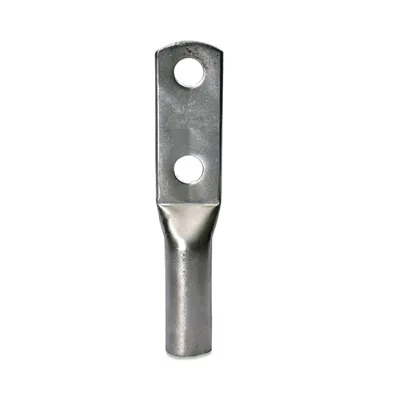
In electric vehicles, the demand for high-voltage grounding is particularly acute. The observed rated voltage specifications include 600V and 1100V, which are typical for EV battery systems and power distribution units. These cables must handle high currents while maintaining insulation integrity under extreme thermal conditions. The ring lugs are essential for connecting these cables to battery terminals, motor controllers, and chassis grounding points. The "Grounding lugs" and "Terminal Clamp" types mentioned in the data are specifically designed for these high-current connections, ensuring a secure mechanical and electrical bond.
Beyond the automotive sector, these cables are also utilized in telecommunication, industrial, and home appliance applications. The "Telecommunication" application noted in the data suggests that similar grounding principles apply to infrastructure where reliable signal grounding is necessary. However, for automotive buyers, the focus must remain on the specific durability and safety requirements of the vehicle environment. The "Line Fittings" and "Substation Fittings" applications indicate that the same hardware can be adapted for industrial power distribution, but the automotive version must meet stricter vibration and temperature cycling standards.
Supplier Evaluation and Quality Assurance Protocols
Selecting the right supplier is as important as selecting the right product. Buyers should evaluate suppliers based on their ability to provide consistent quality, adherence to certifications, and transparency in their manufacturing processes. The observed data lists "FENBO TELECOM" as a brand name, but buyers should not limit their search to a single supplier. Instead, they should look for suppliers who can demonstrate a robust quality management system, ideally certified to ISO 9001 standards. The presence of certifications like VDE and ISORoHS in the data suggests that some suppliers have a strong track record in European and international markets.
Quality control should be a central part of the supplier evaluation. Buyers must verify that the supplier conducts rigorous testing on their products, including dielectric strength tests, temperature cycling tests, and mechanical stress tests. The "Welding" and "Injection Molding Assembly Class" techniques mentioned in the data indicate specific manufacturing capabilities. A supplier with in-house welding and molding capabilities may offer better control over the quality of the ring lugs and the assembly process. Buyers should request test reports or third-party certification documents to validate the supplier's claims regarding temperature ratings and voltage capabilities.
The "Place of Origin" is another factor to consider. The data indicates origins in Jiangsu and Wenzhou, Zhejiang Province, China, which are major manufacturing hubs for electrical components. While these regions have a high concentration of suppliers, buyers should ensure that the specific factory has the necessary infrastructure to meet automotive-grade standards. The "Customization" attribute being available is a positive sign, indicating that the supplier is flexible and capable of meeting specific OEM requirements. However, buyers should verify the lead times for custom orders, as these can vary significantly depending on the complexity of the request.
Long-Term Procurement Considerations and Supply Chain Resilience
Long-term procurement of automotive ground cables requires a strategic approach to supply chain management. The automotive industry is characterized by long product lifecycles and high volume requirements, making supply chain stability a critical factor. Buyers should assess the supplier's capacity to scale production and their ability to maintain consistent quality over time. The "prod_packing" options, such as "Coil Pack" or "Carton/Pallet," should be evaluated for their suitability for automated assembly lines in vehicle manufacturing.
Sustainability and environmental compliance are increasingly important in automotive procurement. The RoHS certification mentioned in the data is a baseline requirement, but buyers should also inquire about the supplier's policies on recycling and waste management. The use of materials like XLPE and silicone rubber should be evaluated for their environmental impact and end-of-life disposal options. Additionally, the "Customize" attribute suggests that buyers can work with suppliers to develop more sustainable materials or designs, provided the technical specifications are met.
Finally, buyers should consider the total cost of ownership, which includes not just the purchase price but also the cost of defects, downtime, and logistics. A supplier with a high rate of defects or inconsistent lead times can cause significant disruptions in the production line. Therefore, establishing a strong partnership with a reliable supplier, backed by clear quality agreements and regular audits, is essential for long-term success. The "Selling Units" of "Single item" or bulk packaging should be aligned with the buyer's inventory management strategy to optimize storage and handling costs. By focusing on these long-term considerations, buyers can ensure a steady supply of high-quality automotive ground cables that meet the rigorous demands of the industry.
FAQs
What certifications are available for these cables?
Available certifications include RoHS, CE, CCC, ISO, and VDE. These ensure compliance with safety and environmental standards for automotive and industrial applications.
Which conductor materials are used in these cables?
The conductor material is consistently copper, often in stranded configurations. This ensures high conductivity and flexibility required for automotive wiring harness systems.
What temperature ratings do these cables support?
Temperature ratings range from 125℃ to 200℃ depending on the insulation material. Silicone rubber and XLPE options provide varying levels of thermal resistance.
Can I find these cables with specific voltage ratings?
Yes, rated voltages include 600V, 1100V, and 3000V options. These specifications suit different applications from standard automotive to high-voltage electric vehicle systems.
What customization options are available for buyers?
Customization is available for colors, lengths, and packaging requirements. Buyers can request specific AWG sizes ranging from 26 to 4/0 AWG to match their needs.
How are these cables typically packaged for shipment?
Cables are packaged in coils of 100m, 305m, or 610m per roll. Options also include carton or pallet packing as per customer requirements.